

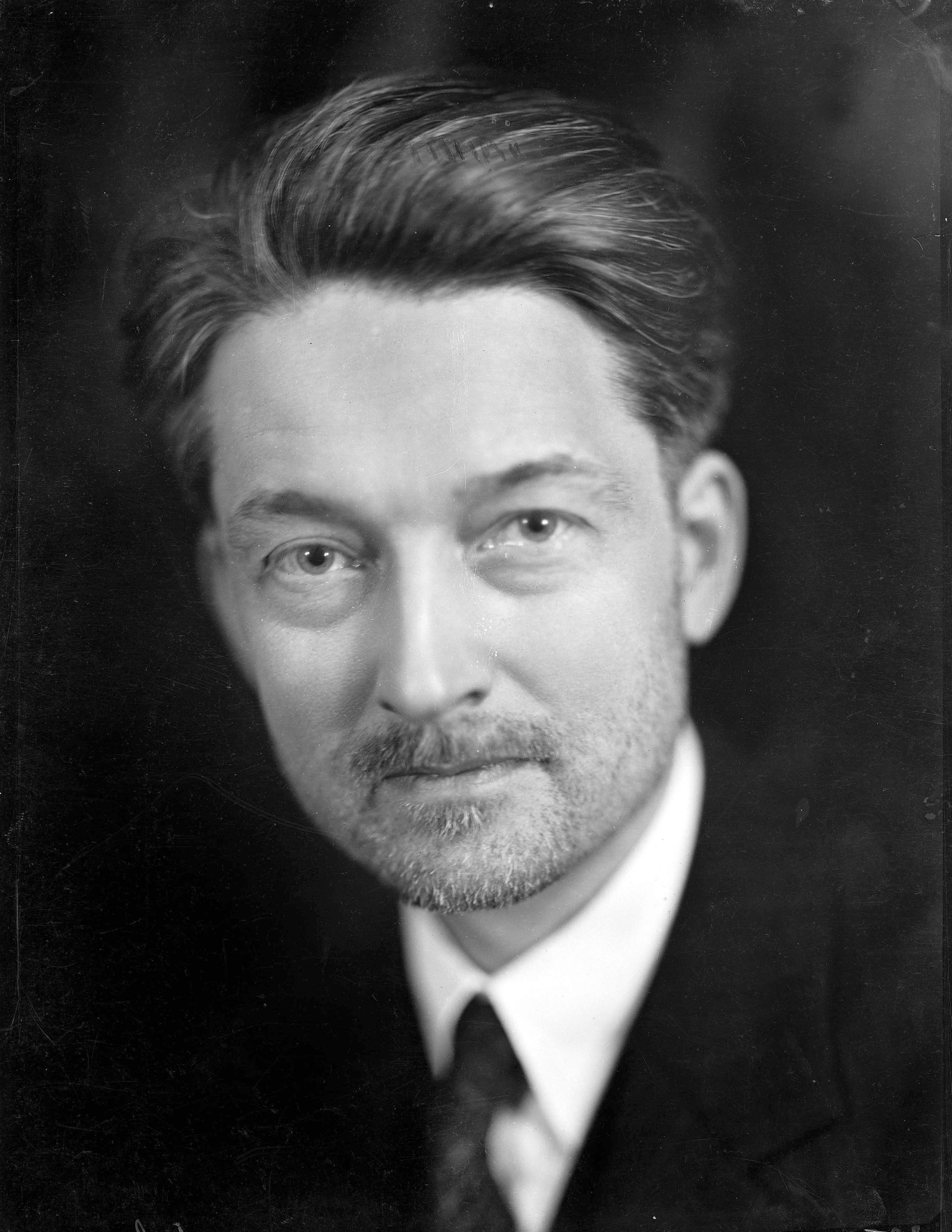
For much of the 20th century, Catholic philosopher Jacques Maritain argued that modern democracy was not the creation of secular liberalism but the fruit of a civilization shaped by Christianity.
The democratic commitment to the equal dignity of every human person did not emerge from a vacuum. It rested upon a distinctly Christian vision of the human being as created in the image of God; each person possesses an inviolable dignity, and stands under a moral law that transcends tribe, class, nation and race. It is precisely within this Christian framework that human rights — both as a concept and as social goods of which people are deserving — became possible and could be defined.
The significance of this claim is often overlooked. Human equality is not a self-evident proposition.
History tells of societies organized around the belief that some people matter more than others. Ancient empires distinguished between citizen and slave. Aristocracies distinguished between noble and commoner. Tribal societies distinguished between kin and stranger.
The Christian claim is radical precisely because it refuses such distinctions at the level of fundamental worth.
Maritain’s concern — which has come to pass — was that democratic societies might continue to affirm human rights while gradually forgetting the theological and religious foundations that made these rights intelligible in the first place. Rights language could persist for a time as an inheritance, but eventually a question would arise: Why exactly are human beings equal?
The contemporary difficulty is that we increasingly struggle to answer that question.
In the absence of a shared understanding of the human person, public life often devolves into a competition among rival identities and interests. Race, class, nationality, sexuality and political affiliation become the primary lenses through which people understand themselves and others.
The result has not been the abandonment of rights language. Quite the opposite. Every faction continues to invoke rights. The problem is that rights become detached from any common account of the human good.
The consequences are becoming increasingly visible. If race becomes the primary source of moral significance, then political life is tempted toward racial conflict. If class becomes primary, violence can begin to appear justified as a form of economic retribution. If factional identities become primary, opponents are no longer fellow citizens with whom one disagrees but representatives of hostile social categories.
What is striking about many contemporary disputes is not merely their intensity but their moral structure: They divide the world into innocent victims and irredeemable oppressors. They offer narratives of guilt and redemption. They identify enemies whose removal is presumed to advance justice, such as was reported in the case of the tragic murder of a New York health-care executive in December 2024.
Christianity does not deny that human beings belong to nations, classes, families or cultures. What it denies is that any of these realities constitutes the deepest truth about a person. Before all such distinctions stands the more fundamental truth that each person is a child of God. This conviction serves as a restraint upon political fanaticism. It does not eliminate conflict, but it places limits upon what can be done legitimately in pursuit of political goals.
The erosion of this Christian vision does not automatically produce violence; it creates a vacuum.
Human beings naturally seek sources of meaning, belonging and moral certainty. If the Christian understanding of the person recedes, something else will inevitably take its place. Race, class, nation and ideology become candidates for ultimate loyalty precisely because they promise to provide the identity and purpose that modern societies increasingly lack.
Maritain’s warning was not that democracy would suddenly collapse with the decline in religious belief. His concern was more subtle. A civilization can continue speaking the language of dignity and rights long after it has forgotten why those things matter. For a time, the inherited vocabulary remains. Eventually, however, the underlying grammar begins to disappear.
The challenge facing Western societies today is therefore not simply political. It is anthropological. Before we can resolve our disagreements about immigration, inequality, identity or social justice, we must recover a clearer answer to a more basic question: What is a human being?
For Christians, the answer remains unchanged. Every person is a creature loved into existence by God and called to communion with him.
If democracy is to remain more than a contest among competing wills, we must remember the vision of the human person from which the commitment to dignity, equality and rights first emerged.



Quinton perceives where others, including myself, simply see….