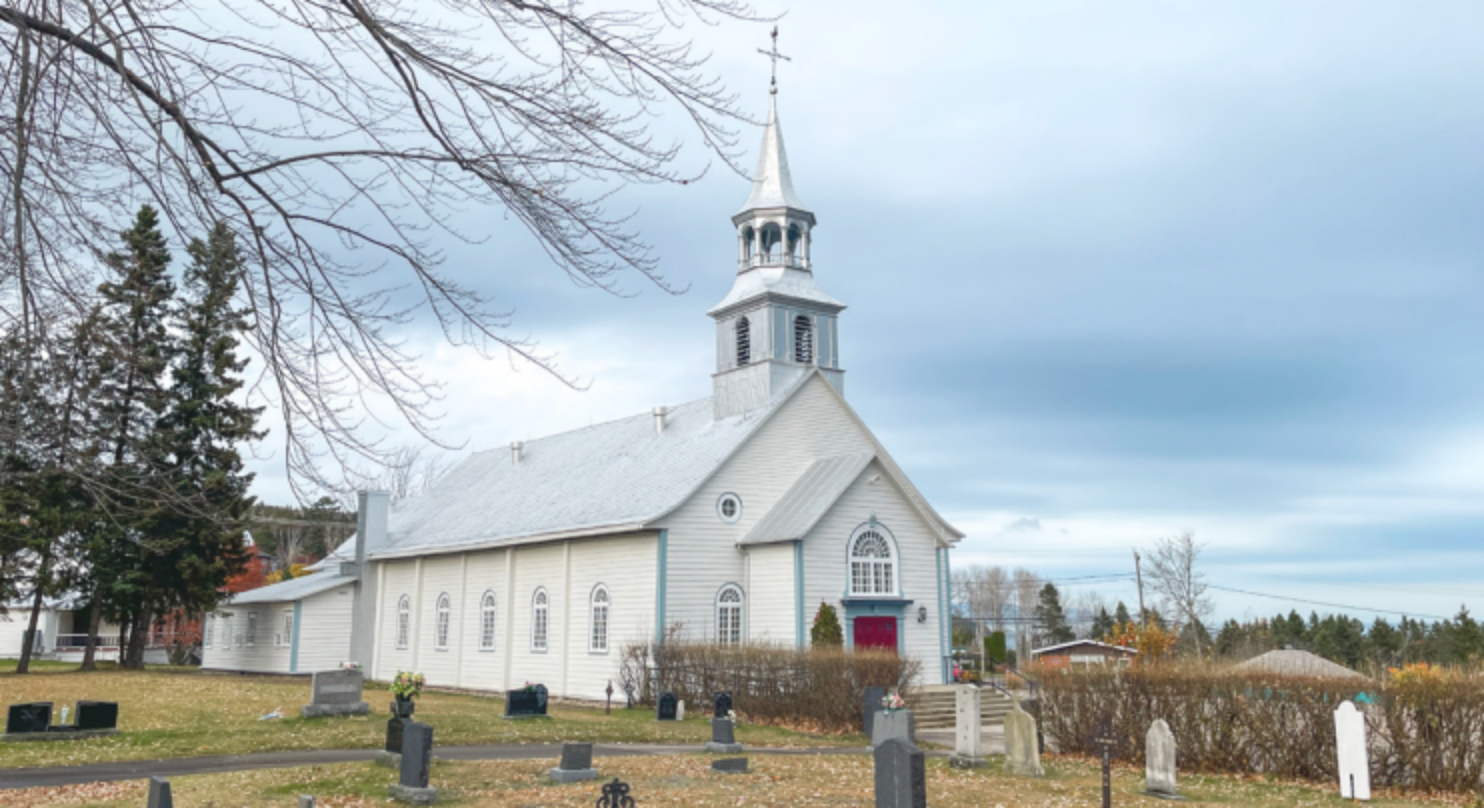
Quebec has a long-standing model of surplus churches being transferred to new owners, often municipalities or other organizations, while Catholic worship continues in the building as part of the arrangement.
The trend was well established by 2017, when the Conseil du patrimoine religieux du Québec, a provincial body dedicated to the preservation of religious heritage, said nearly 150 places of worship across the province had been sold or transferred to municipalities or other public bodies since a 2003 inventory of 2,751 places of worship.
Municipalities often converted them into libraries, cultural spaces and community centres, in many cases continuing to allow religious services.
By 2025, the council said 35 per cent of the places of worship it inventoried in 2003 were no longer owned by religious bodies, were closed, had been repurposed or were in the process of being repurposed.
A separate Quebec government report released in 2025, using Culture Ministry data from 2024, found that 176 places of worship were owned by municipalities or regional county municipalities, with another 110 owned by nonprofit organizations. The report did not specify how many were still being used for religious purposes.
The trend was documented as long ago as 2018, when a Quebec City daily, Le Soleil, reported that in the Archdiocese of Quebec, 33 churches had been closed to worship and sold since 1997, while 12 others had been sold to municipalities but still offered space for worship.
The newspaper described Catholic communities as effectively becoming “tenants in their own churches,” while parishes were relieved of the burden of maintaining the buildings.
Although Quebec has the most well-established model for handing over former churches, there are examples in other provinces.
In St. John’s, Newfoundland, the Cathedral Basilica of St. John the Baptist was sold as part of the settlement of claims arising from the Mount Cashel abuse scandal. In April 2024, a lay-led foundation became the owner and took over responsibility for repairs, preservation and operation. The Catholic parish pays rent to use the building.
In an example of public or community ownership, Holy Rosary Church in Portugal Cove South, Newfoundland, was bought by an anonymous benefactor in 2025 and turned over to the town and the local historical corporation. The building remains available for Catholic worship, although regular Sunday Mass is celebrated elsewhere.
In Chapleau, Ontario, an Anglican church comes close to the Quebec model. St. John’s Anglican Church was bought by a local entrepreneur in 2016, converted into a community hub and restaurant, and leased back to the congregation.