Catholic bishops representing the bishops’ conferences of Canada, the United States, Latin America and the Caribbean gathered Feb. 14-17 in Tampa, Florida, focusing on “how to better guide the People of God with wisdom and courage in a time marked by profound changes and challenges.”
The bishops, gathered for the Meeting of the Bishops of the Church in the Americas, issued a joint statement after the meeting, which highlighted a range of issues and concerns.
“Although our national contexts are diverse, we recognize that our peoples experience similar anxieties and that our episcopal ministries face common challenges that invite coordinated, compassionate, and profoundly evangelical responses,” stated the bishops in their Message to the People of God on Pilgrimage in the Americas.
“We are one Church in the Americas. From this unity, we wish to serve with greater dedication, to accompany with greater closeness, and to proclaim with renewed courage the hope that springs from the Heart of the Saviour.”
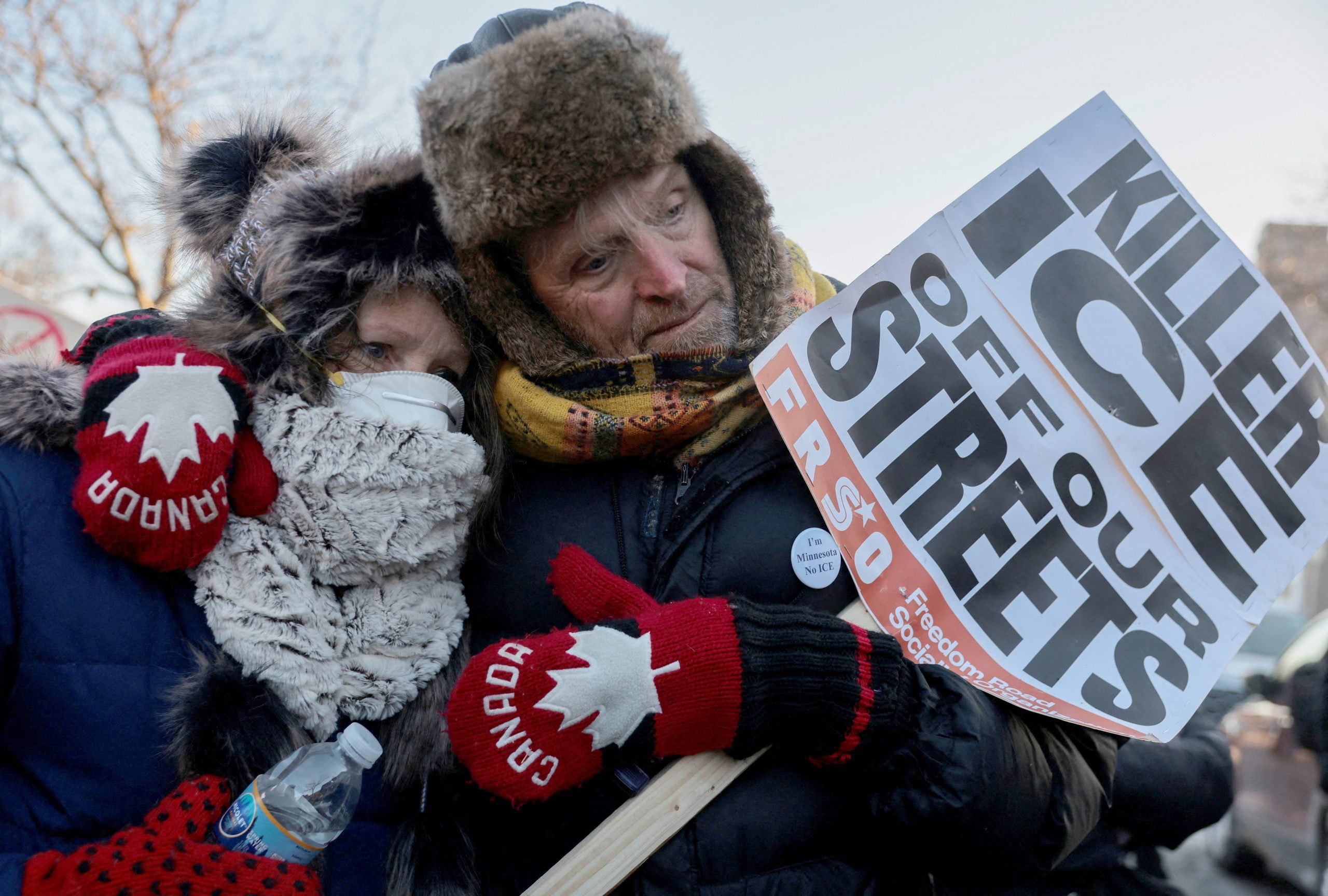
Issues considered by the representative bishops during the meeting included concern for the poor and vulnerable, the dignity and rights of Indigenous peoples, the painful scourge of human trafficking and drug trafficking, the growing polarization “that wounds public discourse and weakens social cohesion,” and “in particular, the extreme vulnerability of migrants who live, travel through, and seek a future in our countries.”
The bishops affirmed that “no migrant is a stranger to the church.”
“In every person who leaves their homeland seeking safety, opportunities or dignity, we recognize a brother, a sister; we recognize the very face of Christ on the move. Human mobility cannot be reduced to a merely political or economic issue; it is a profoundly human reality that challenges our Christian conscience and the ethical responsibility of nations.”
The bishops expressed their desire for a coordinated pastoral response beyond nations or borders. “We want to strengthen our continental coordination so that, from the place of origin to transit and final destination, the Church may be a concrete sign of hope, a place (of) welcome and protection.”
The message also encourages a response from civil authorities and nations in the Americas. “We invite civil authorities to promote policies that safeguard the lives, rights and dignity of migrants. We recognize the responsibility of states to regulate migration and ensure the common good; however, we reiterate that all legislation must place at its centre the inalienable dignity of the human person and the respect that person deserves.”
“We urge all the People of God in the Americas to live our unity in a concrete and daily way: in the generous welcome of migrants, in the defence of the most vulnerable, in respectful dialogue even amidst differences, in the patient building of bridges. May our parishes, communities, and families be visible signs that fraternity is possible and that the Gospel continues to be a transformative force in our societies.”
The message concluded with an appeal to Mary for her intercession on behalf of the Church in the Americas. “We entrust this commitment to the intercession of the Blessed Virgin Mary, Our Mother, who accompanies all the peoples of our continent under many titles. May she sustain us in communion and inspire us to respond together, with charity and evangelical courage, to the challenges of our time.”