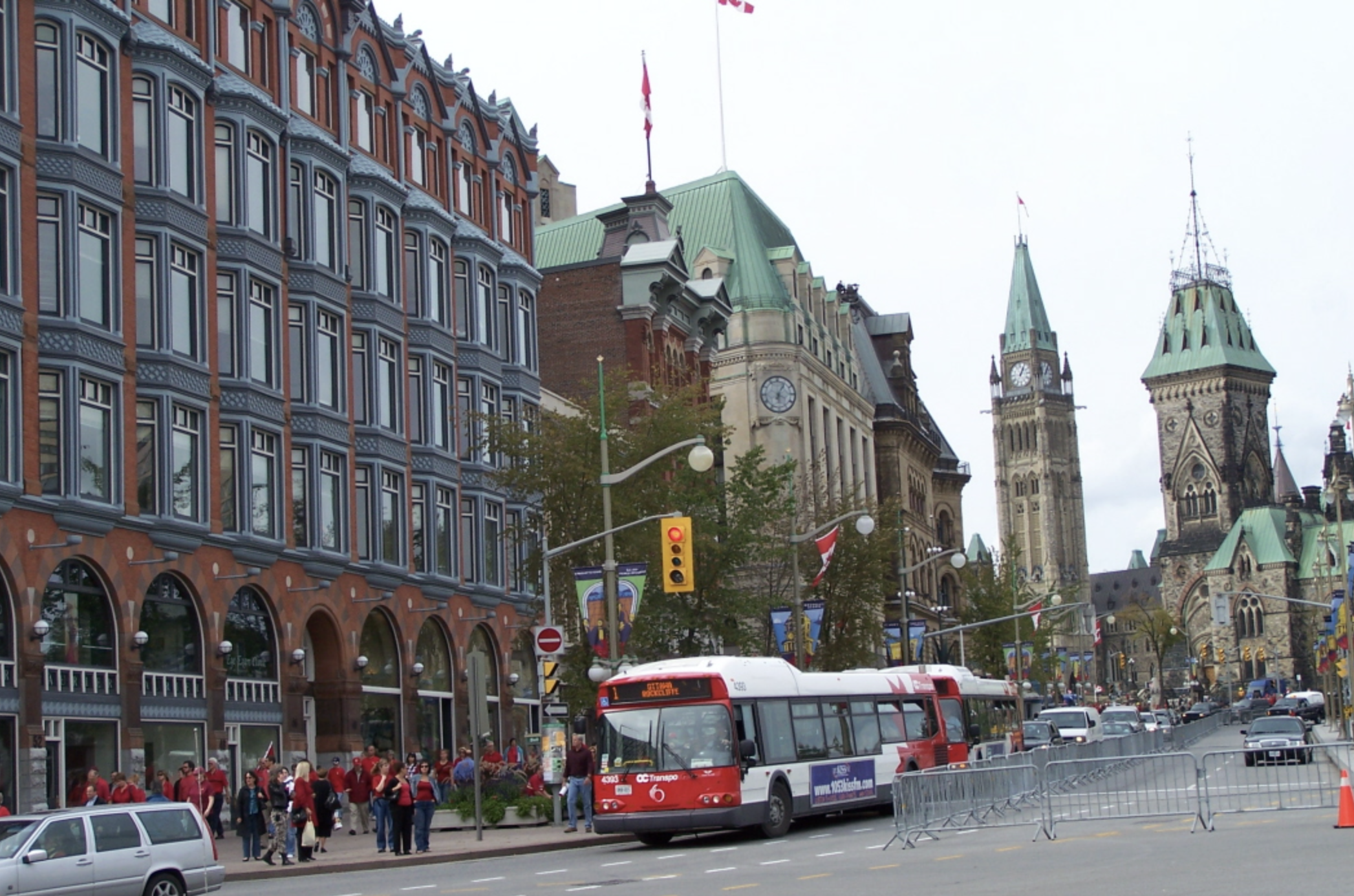
Public transit is more than just a means of getting from one place to another — it is a lifeline for many, especially those living in poverty or facing physical, mental or financial barriers.
In the ongoing quest for transit justice, one issue that stands out is the high cost of ride-sharing services such as Uber and Lyft. While these services are often promoted as cheaper alternatives to traditional taxis, they remain out of reach for many who struggle to afford basic necessities. For those living in poverty, public transit is not just a convenience — it is an essential service that enables access to employment, education, healthcare and community life.
Sacred Scripture reminds us of our moral responsibility: “How does God’s love abide in anyone who has the world’s goods and sees a brother or sister in need and yet refuses help?” (1 Jn 3:17-18). This passage calls Catholics — and all people of faith — to recognize the suffering caused by gaps in public transit. We must see those who rely on public transit as our “brother in need.”
If we dismiss transit cuts because we drive, we risk closing our hearts to those who depend on these services for their daily lives.
Transit is not a choice, it is a necessity. Service must be reliable and accessible, because missed buses or infrequent routes can mean missed opportunities, lost wages and increased hardship. The stakes are especially high for vulnerable populations, including the elderly, people with disabilities and those with chronic health conditions.
Lorraine Pryce, a middle-aged woman of modest means living in Ottawa, is a regular transit user and a devout Catholic. She suffers from post-traumatic stress disorder, fibromyalgia and environmental sensitivities. Cognitive issues have prevented her from learning to drive. Pryce’s experiences highlight both the strengths and shortcomings of public transit systems. She recalls that the transit system in Kingston, Ontario, where she grew up, was generally “good” — but buses that were late to arrive posed significant challenges, especially during harsh winter months. Budgeting for transit was difficult, as it meant sacrificing necessities like groceries, even though prices were not as “brutal” as they are today.
Pryce also encountered disrespectful behavior from some drivers, recalling incidents where derogatory comments were made. She remembers a time when she flagged a bus and, after being allowed to board, the driver treated her with disrespect and made an arrogant remark. Her mother, who was Nicaraguan, was once called “bag woman” by a driver because she always carried bags. While Pryce does not believe the ill treatment was racially motivated, she acknowledges that such comments can be deeply hurtful. Her mother once came home in tears after a driver made derogatory remarks.
These experiences are not isolated. Many transit users report feeling like second-class citizens, facing discrimination or indifference from transit workers and fellow passengers. The stigma attached to public transit use can be compounded by poverty, disability or ethnicity. Such treatment is not only unjust but contrary to the Christian call to love and respect our neighbors.
Pryce describes her experience as a transit user in Ottawa as “exhausting.” Tardy buses mean being late for engagements, and drivers who fail to intervene in response to malevolent behavior — such as a passenger randomly slapping another, or groups of young people causing a ruckus — create an environment where passengers feel unsafe. Her suggestions for improving service are rooted in the Christian principle: “Do unto others as you would have them do unto you.” She urges drivers to respect riders and take immediate action when witnessing inappropriate behavior.
On the other hand, as a Christian, Pryce appreciates how public transit can offer opportunities for Christian witness. When she sees other passengers wearing crucifixes or rosaries, she sometimes holds up her rosary to show solidarity. These moments, she says, are “like a wink from God” that help her cope with the exhaustion of transit. Praying on the bus provides her with “strength, wisdom and peace of mind.” She believes greeting the driver and smiling at fellow passengers can lift spirits and even strengthen faith.
“We need to welcome strangers into our space. It’s also important to show joy because joy is the mark of a Christian,” she says. “While on transit, we’re encountering our neighbors in a confined space.”
Father Daniel Van Delst, chancellor of the Archdiocese of Ottawa-Cornwall, commuted 98 km to the chancery office in Ottawa twice a week while serving at St. Francis de Sales Parish in Cornwall. He became friends with regular passengers and the driver, forming a small community. However, he notes that few priests use public transit regularly, as most live close to their parish and have cars to be readily available for emergencies, such as visiting the sick. Many rural parishes lack transit altogether.
Van Delst recognizes the lack of public transit between cities in Eastern Ontario. He suggests Catholics write to local leaders to encourage the development of regional transportation networks, especially for medical appointments in Ottawa. Establishing regional routes and publicizing available services would benefit many.
Hearing the “cry of the poor” means listening to their experiences with public transit. Our faith teaches us not to react indifferently. Canadians, whether they drive or not, can heed Van Delst’s advice and lobby civic leaders to improve public transit. Better transit would benefit not only the poor but also other vulnerable groups who cannot drive due to health or age.
When Pope John Paul II addressed Christian communities in Toronto in 1984, he said, “The needs of the poor must take priority over the desires of the rich.” Sometimes driving everywhere is a desire, especially when alternatives exist. Trying public transit in solidarity with those of modest means is a step toward justice.
Marie is a parishioner at Queen of the Most Holy Rosary, a transit user herself, and a member of Free Transit Ottawa, which advocates for better service in the nation’s capital.